Aphasia and Stroke Speech Therapy in Toronto
Has a stroke or brain injury changed how you or a loved one speaks, understands, reads or writes? Our registered speech-language pathologists help adults rebuild communication and confidence after a stroke, brain injury or neurological diagnosis. We see clients at our Etobicoke, Scarborough and Pickering clinics, or online. Meet our team.
What Is Aphasia?
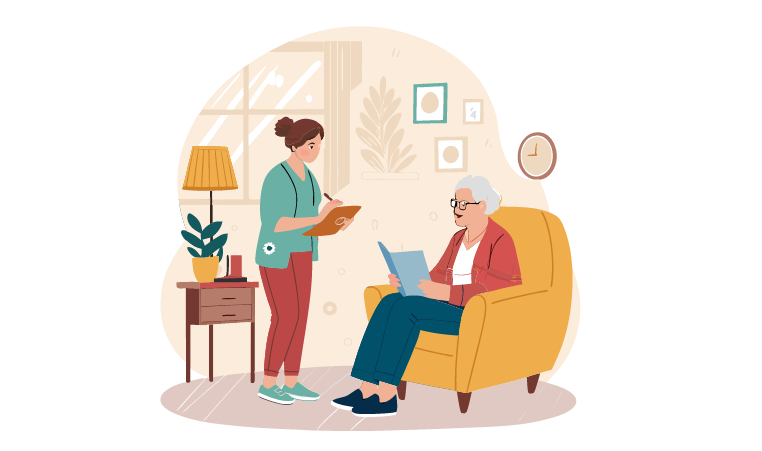
Aphasia is a language difficulty caused by damage to the parts of the brain that handle language, most often after a stroke. It can affect speaking, understanding, reading and writing, and it looks different for every person. Aphasia changes how someone uses language, not their intelligence, and with the right support many people make meaningful progress.
What to know:
- Finding the right words
- Understanding conversation
- Reading and writing
- Intelligence is not affected
Other Changes After a Stroke
A stroke or brain injury can also affect the muscles used for speech (dysarthria), the planning of speech movements (apraxia), making sense and understanding speech (Wernicke’s aphasia), voice volume or swallowing. Each of these needs a different approach, so our assessment looks at the whole picture before therapy begins. Learn more about our speech therapy for adults.
What to know:
- Slurred or slow speech
- Trouble planning speech sounds
- Quiet or tired voice
- Swallowing difficulties
Therapy Built Around You
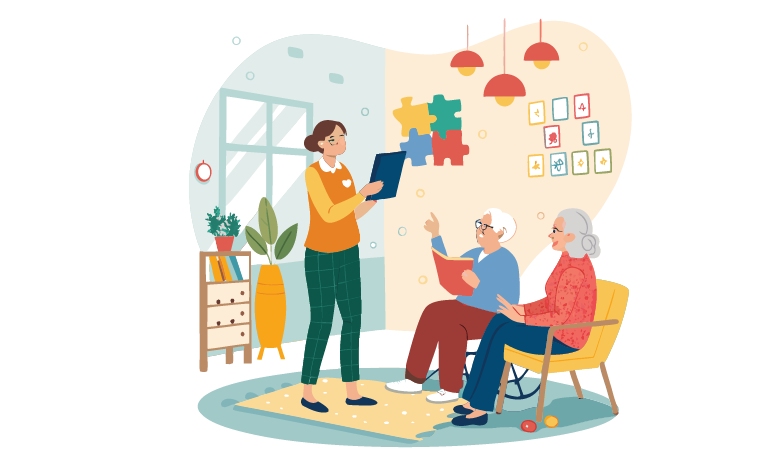
Therapy focuses on what matters most to you, such as talking with family, managing appointments, returning to work or enjoying hobbies again. Sessions combine targeted practice with real-life conversation, and we teach strategies like gestures, writing key words or using communication supports for moments when words are hard to find.
What to know:
- Goals that matter to you
- Word-finding practice
- Communication strategies
- Real-life conversation
Support for Families
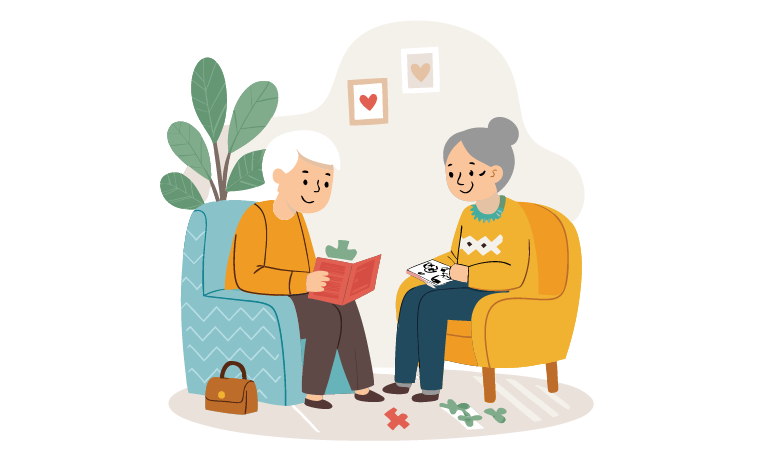
Communication involves everyone. We show spouses, adult children and caregivers how to support conversations, give the right amount of time, check understanding and reduce frustration on both sides. Family members are welcome to join sessions, so everyone learns the same strategies and the whole family can keep connecting at home.
What to know:
- Tips for conversation partners
- Less frustration for everyone
- Family welcome in sessions
- Practice at home
Our Adult Assessment
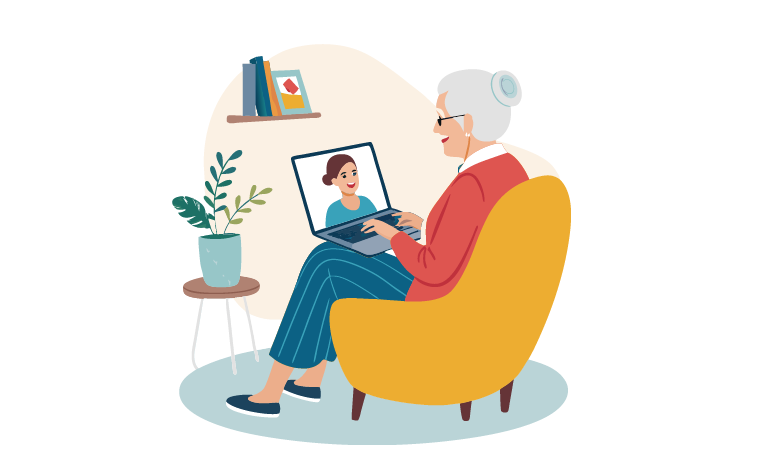
Your first visit is an assessment with a registered speech-language pathologist at our Etobicoke, Scarborough or Pickering clinic, or online. We look at speaking, understanding, reading and writing, talk about your daily life and goals, and agree on a clear plan together. You are welcome to bring a family member or caregiver with you.
What to know:
- In clinic or online
- Family welcome
- Clear goals and plan
- Progress reviewed together
Aphasia Therapy Near You
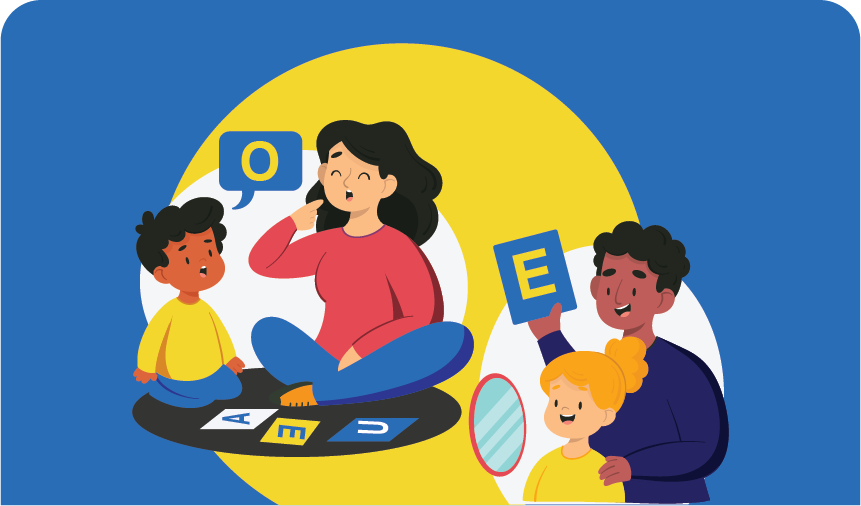
Adults in Etobicoke, Mississauga and west Toronto visit our Etobicoke clinic near The West Mall. Adults in Scarborough, Markham and east Toronto visit our Scarborough clinic near Sheppard and Midland. Adults in Pickering, Ajax, Whitby, Oshawa and Durham Region visit our Pickering clinic beside the Pickering GO Station.
What to know:
- Etobicoke: 577 Burnhamthorpe Rd
- Scarborough: 4240 Sheppard Ave E
- Pickering: 1400 Bayly St
- Online sessions available
This page is general information, not a diagnosis. Sudden changes in speech, such as slurred words or trouble finding words, can be a sign of a stroke: call 911 right away.