Speech Therapy for Adults in Toronto
Our registered speech-language pathologists help adults rebuild and strengthen communication after a stroke, brain injury or neurological diagnosis, and support autistic adults and anyone working on social communication. Our team also includes Communicative Disorders Assistants (CDAs), who provide therapy under the supervision of our speech-language pathologists. We see clients at our Etobicoke, Scarborough and Pickering clinics, or virtually. Meet our team.
Aphasia After Stroke or Brain Injury
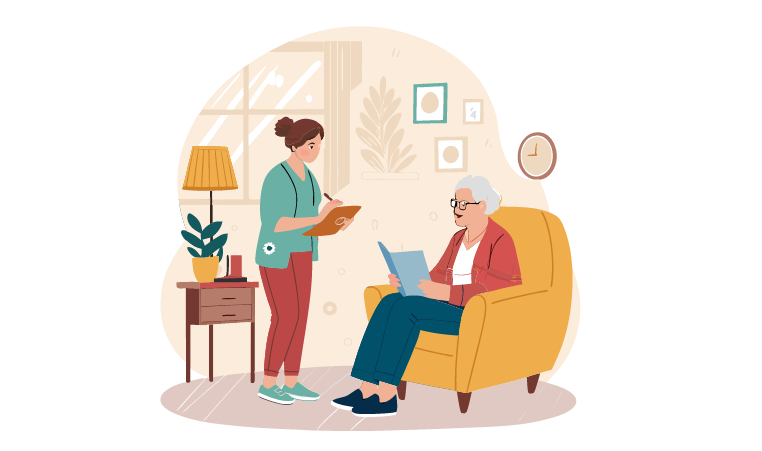
Aphasia is a disorder that affects the language center of the brain. It is often caused by a stroke, trauma, or other impairments to the brain. This leads to a variety of difficulties communicating with others. There are various types of aphasia that affect language in different ways. Aphasia can affect one’s ability to speak, understand spoken language, read and/or write. Speech-language pathologists create a comprehensive language intervention plan to improve the abilities of people struggling with aphasia.
Learn more about aphasia and stroke recovery.
Our therapy services help improve:
- Speaking ability
- Reading
- Understanding spoken language
- Writing
Speech Therapy for Autistic Adults
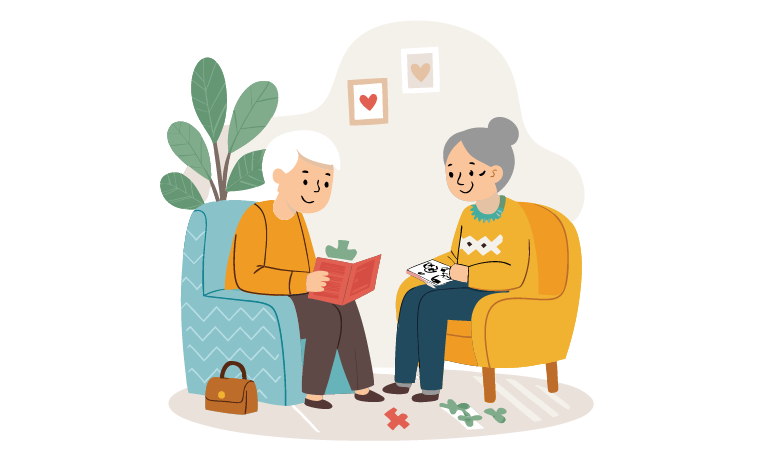
Adults with autism may have difficulty maintaining conversations, understanding non-verbal communication and maintaining relationships with others. Additionally, they can be hyper/hypo sensitive to sensory input, and/or have difficulty with flexibility in routines and highly fixated interests.
Our therapy services help improve:
- Social communication and relationship building
- Restricted and repetitive behaviours
- Sensory difficulties
- Self-regulation skills

Dysarthria and Apraxia in Adults
Dysarthria
Dysarthria often involves slurred, slow, and abnormal speech patterns. This is often caused by underlying disorders that affect the muscles we use to produce speech sounds, such as the tongue, vocal cords, and the lips. Dysarthria can occur after a brain injury, in Parkinson’s disease, Huntington’s disease, muscular dystrophy, cerebral palsy, multiple sclerosis, and many other diseases. Our clinicians provide therapies targeting motor and speech skills to build and support your capacity for communication.
Apraxia
Motor speech disorders can also involve the ability to plan and program the proper sounds to shape speech. Our clinicians provide therapy to develop planning and sequencing skills to produce the appropriate speech sounds and thereby facilitate communication.
Our therapy services help improve:
- Combating slurred, slow, and abnormal speech patterns
- Building and supporting one's capacity for communication
- Exercises to strengthen the muscles of your mouth and jaw
- Breathing techniques to make your voice louder
Pragmatic Language & Social Skills
Pragmatic language difficulties include difficulties with social communication including engaging and maintaining social interactions, telling stories, and understanding jokes, humour, and sarcasm. Our speech-language pathologists work with you on those important social skills by practising real-life social situations in a safe learning environment and giving you strategies to take what you have learned in therapy into your everyday social interactions.
Our therapy services help improve:
- Engaging and managing social interactions
- Telling stories
- Understanding jokes, humour and sarcasm
- Adapting language to different people and contexts