Emotional Regulation Support for Children in Toronto
Big feelings, meltdowns and hard transitions are part of growing up, but for some toddlers, children and teens they can take over daily life. Our Registered Behaviour Analysts and Instructor Therapists teach coping strategies and self-regulation skills in a respectful, neurodiversity-affirming way, at our Etobicoke, Scarborough and Pickering clinics, at home across the GTA, or online. Meet our team.
Understanding Big Feelings
Behaviour is a form of communication. Before teaching new skills, we look at what is behind meltdowns or shutdowns, such as sensory overload, changes in routine, tiredness or difficulty expressing needs. Understanding the why helps us choose strategies that fit your child, rather than a one-size-fits-all approach.
What to know:
- Behaviour as communication
- Finding triggers and patterns
- Sensory and routine factors
- A plan that fits your child
Coping Strategies
Children learn coping tools that work for them, such as breathing, movement breaks, calm-down spaces, fidgets or visual supports. We practise these strategies during calm moments, so they are easier to use when feelings get big, and we make sure everyone around your child knows how to support them.
What to know:
- Calming strategies
- Movement and sensory breaks
- Visual supports
- Practised during calm moments
Co-Regulation for Toddlers
Toddlers and young children learn to manage feelings with the help of a calm adult. We coach parents in co-regulation: staying calm, naming feelings, offering comfort and keeping routines predictable, so toddlers learn to settle with support long before they can do it on their own.
What to know:
- Naming feelings together
- Calm, predictable routines
- Comfort and connection
- Coaching for parents
Self-Advocacy for Older Kids
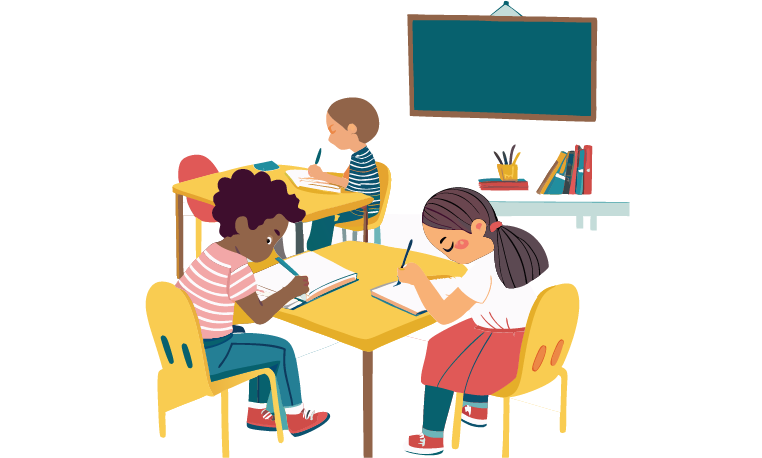
Older children and teens learn to notice their own early warning signs, ask for a break, and explain what they need to teachers, coaches and friends. Building self-advocacy helps them feel more in control, cope with stress at school and take part in the activities they enjoy.
What to know:
- Recognizing early signs
- Asking for a break
- Explaining their needs
- Confidence at school
Our Collaborative Approach
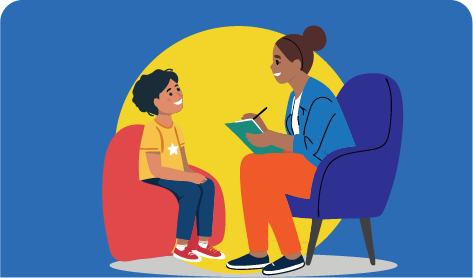
Every plan starts with your family’s priorities. A Registered Behaviour Analyst assesses your child’s current skills and designs an individualized plan, and a dedicated Instructor Therapist works with your child under their supervision. We use positive, respectful, neurodiversity-affirming methods, involve you at every step and work with teachers and our speech team so your child is supported in every setting.
What to know:
- Goals set with your family
- Positive, respectful methods
- Plan supervised by an RBA
- Parent coaching included
Regulation Support Near You
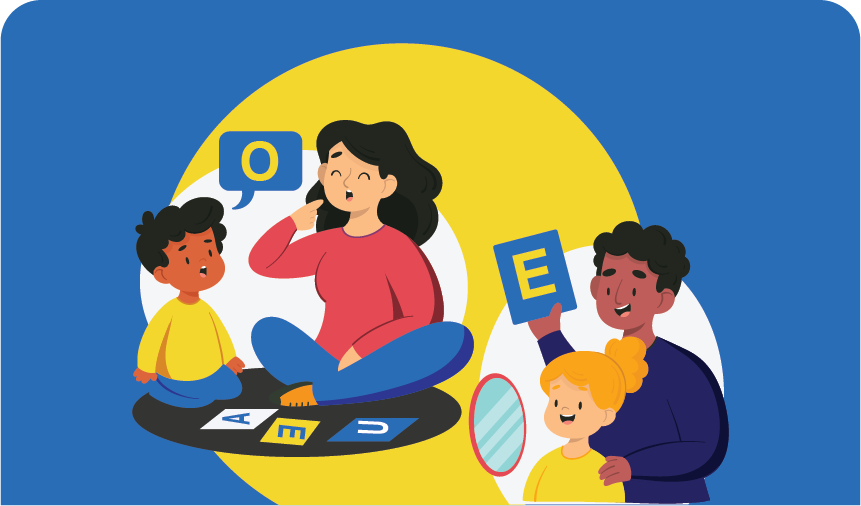
Families in Etobicoke, Mississauga and west Toronto visit our Etobicoke clinic near The West Mall. Families in Scarborough, Markham and east Toronto visit our Scarborough clinic near Sheppard and Midland. Families in Pickering, Ajax, Whitby, Oshawa and Durham Region visit our Pickering clinic beside the Pickering GO Station.
What to know:
- Etobicoke: 577 Burnhamthorpe Rd
- Scarborough: 4240 Sheppard Ave E
- Pickering: 1400 Bayly St
- Home visits and virtual sessions
This page is general information, not a diagnosis. If your child’s safety or someone else’s is at immediate risk, call 911.